
How Subtle Miking with Point Source Audio Builds Tension in “To Kill a Mockingbird”
Scott Lehrer’s sound design accentuates dramatic storytelling in this dialogue-intensive revival touring the UK and Ireland
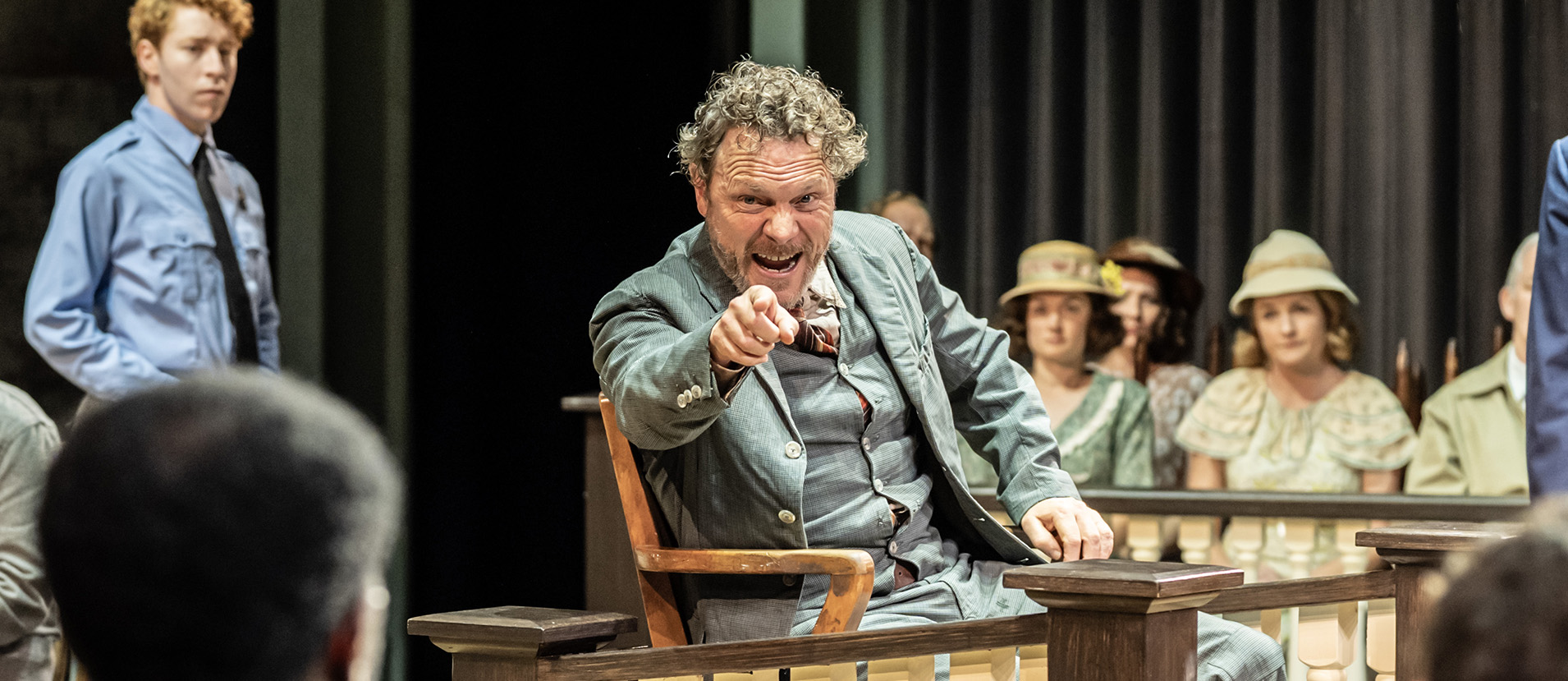
Aaron Sorkin’s reworking of To Kill a Mockingbird showcases one of the most nuanced, naturalistic live theatre designs to date. Veteran Sound Designer Luke Swaffield with Autograph Sound is overseeing the original design by Scott Lehrer for the UK and Ireland Tour, which was first developed for the Broadway and West End productions.
“I think it was some of the best vocal sound that I’ve managed to achieve; some of this is down to our fantastic cast but really it’s partly the system we’re using, and that definitely includes Point Source Audio’s lavalier mics,” Luke shares.
Intensifying the Drama with Voice as the Vehicle
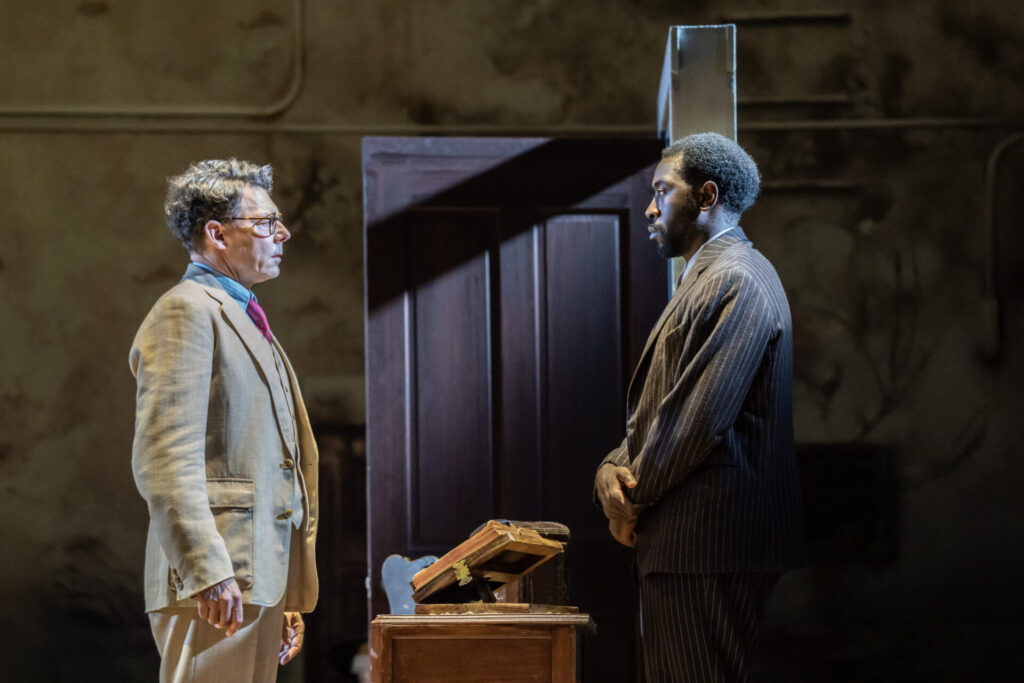
The Sorkin adaptation remains loyal to the novel’s themes of racism, and the United Kingdom’s tour staging ratchets up the dramatic tension considerably. In this production, voice is the vehicle for that tension, alongside the subtle sound design and use of music by Adam Guettel. The intermittent organ and guitar function like another character, supporting the storytelling. “Much of the tension flows out of the actors and the script, with Adam’s underscore contributing to the drama and sense of immediacy for the audience,” Luke explains.
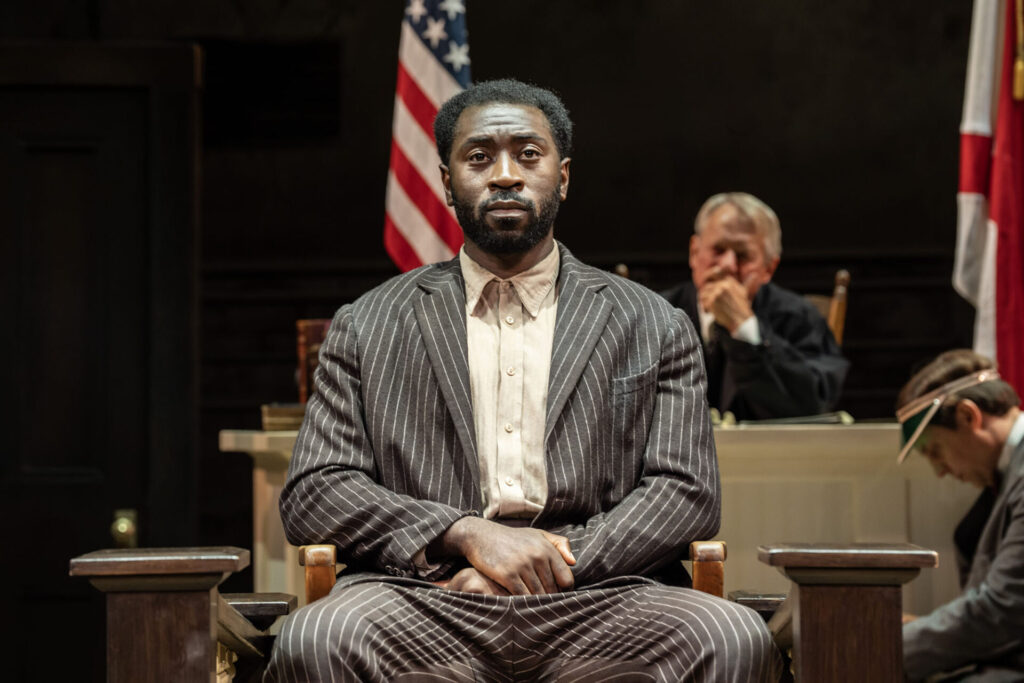
The courtroom scene in particular put Luke’s passion for naturalistic design to the test. “There’s no underscore in the court room scenes, everything had to come from the actors,” he says. “It’s such a fantastic show, and the actors are so skilled, we didn’t want the sound or the tech to get in the way—especially during this iconic, high-tension moment.”
The sound design takes into account the actors’ stage directions for volume and intonation, alongside precise EQ choices that remove resonant frequencies that can make voices sound overtly miked. Swaffield explains, “We could quite surgically remove whatever diverted from the most naturalistic sound possible.”
Subtle Mic Placement Accentuates Realism
Luke first experienced Point Source Audio microphones during his work on Come From Away in a 2,000-seat theatre in Manila, where achieving natural vocal sound was a particular challenge. “I was really impressed with the sound—a very natural, flat response,” he recalls.
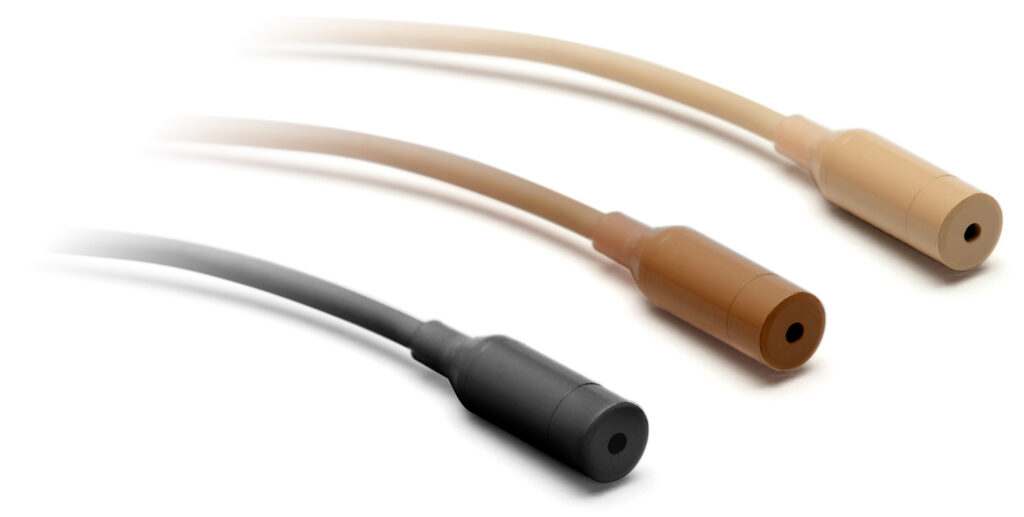
The small size of the mic head was crucial, allowing the stage audio team to hide them discreetly along hairlines and under wigs—a key consideration in a production where intimacy and realism are central. “Scott had previously used Point Source microphones on the show but what really attracted me to Point Source Audio for To Kill a Mockingbird was how subtle the microphone usage could be,” Luke explains.
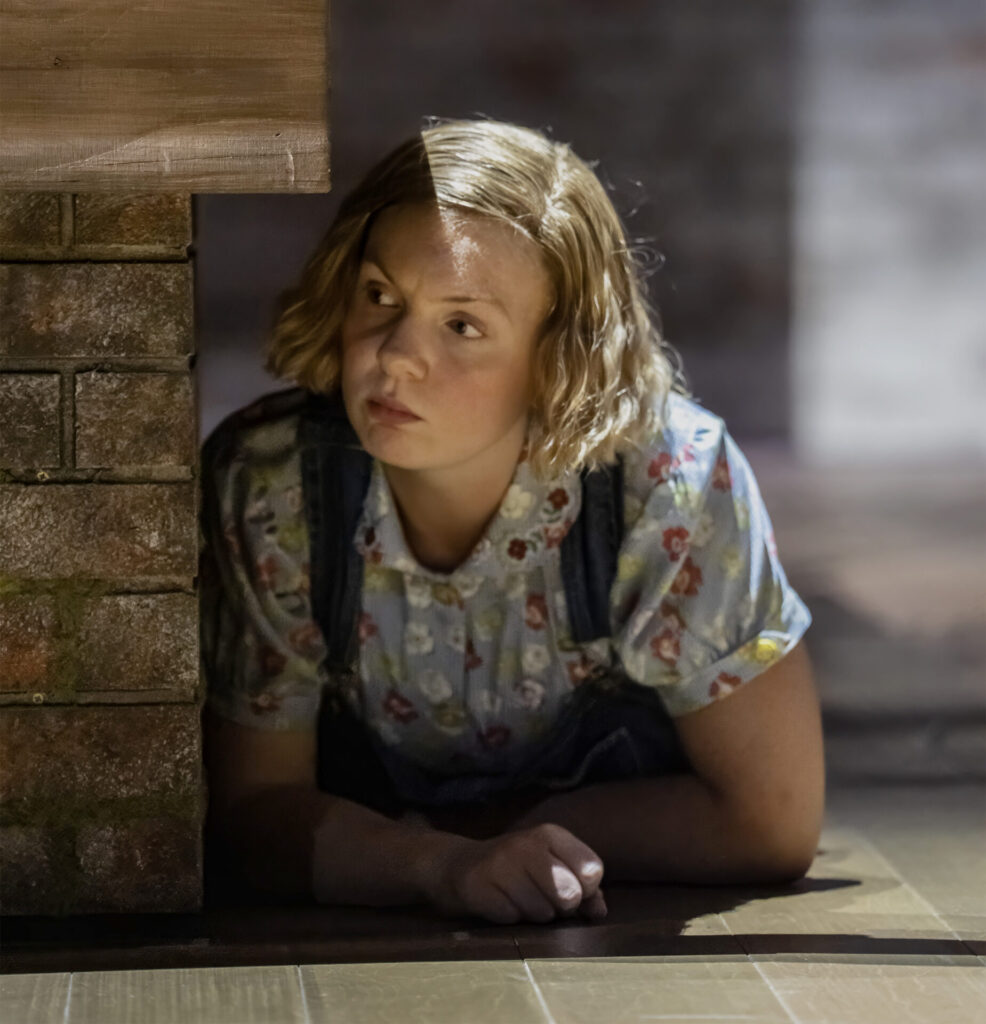
For Coyle, playing Atticus Finch, and the child actors playing Scout, Jem, and Dill—the narrators who frequently break the fourth wall—this meant double-miking each performer as they rarely leave the stage. Fortunately, all four have hair conducive to concealing the devices, and for the women wearing wigs, Luke and the audio team collaborated closely with the wig department to ensure the microphones remained invisible, even in some of the smaller venues in the UK where the audience are sat right up close to the stage.
“I love using my technical brain to solve creative problems and my creative brain to solve technical problems,” Luke says. His passion and meticulous sound designs are on full display in Sorkin’s adaptation of To Kill a Mockingbird, which will be touring throughout the UK and in Ireland.
Luke is quick to add: That subtlety doesn’t happen by accident. From the original Leeds production to the demands of a touring schedule, the audio team played a critical role in preserving the naturalism of the design across venues.
The original Leeds team—led by A1 Karan Szameit with A2 Megan Campbell—laid the groundwork for the sound approach. On tour, that vision is carried forward by A1 Neil McNally, A2 Fraser Mackie, and PSE Dickie Bower, ensuring consistency, clarity, and restraint from venue to venue.
About Luke Swaffield
Trained at the Guildhall School of Music and Drama in London, Luke joined Autograph Sound at age 23. Over the years, he has specialized in experiential and immersive theatre, working with Secret Cinema, Immersive Everywhere and Gamepath Entertainment on site-specific productions across the globe. Yet theatre—particularly productions that demand naturalism and subtlety—remains his first love. Previous shows, including The Curious Case of Benjamin Button and several operas benefited from his ability to integrate sound seamlessly into the storytelling.
Got Questions About Mics? Grab a LIVE DEMO and ask away!
We look forward to speaking with you soon.
I think it was some of the best vocal sound that I’ve managed to achieve.